
survival tools
A well-prepared family survival kit should focus on tools
Jun
A well-prepared family survival kit should focus on tools that help meet the most basic human needs: shelter, water, fire, food preparation, first aid, communication, and lighting. While no single tool can solve every problem, a carefully selected collection of reliable equipment can make it much easier to stay safe and comfortable during emergencies such as storms, power outages, wildfires, earthquakes, or extended disruptions to normal services.
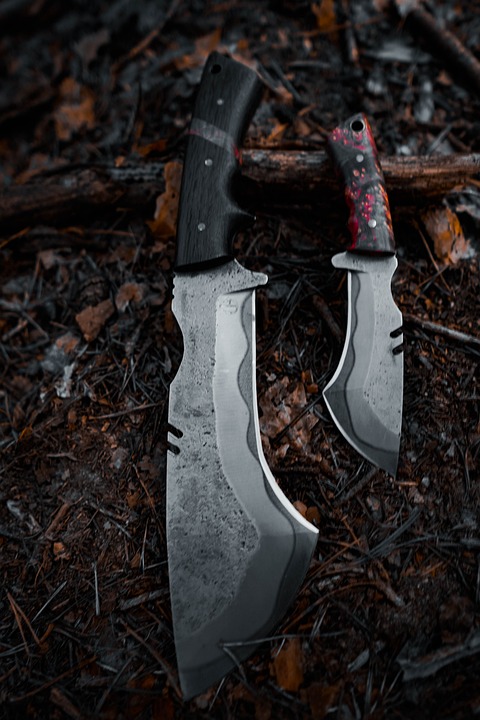
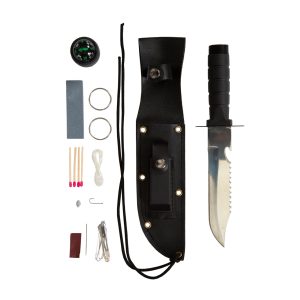
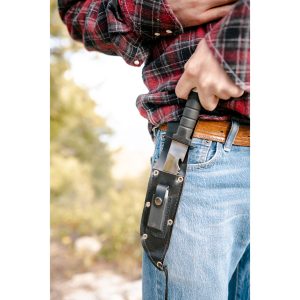
A quality fixed-blade knife is often considered one of the most important survival tools. A sturdy knife can be used for preparing food, cutting rope, processing firewood, building shelters, making repairs, and countless other tasks. Fixed-blade knives are generally stronger and more reliable than folding knives for demanding outdoor use. Every adult family member who is trained to use one safely should have access to a dependable cutting tool.
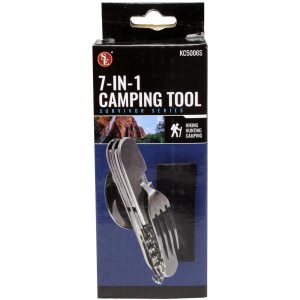
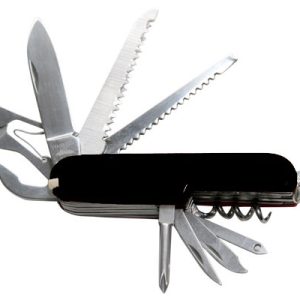
A multi-tool is another valuable addition to a survival kit. Most multi-tools include pliers, screwdrivers, scissors, wire cutters, and other useful implements in a compact package. During emergencies, the ability to repair equipment, tighten loose hardware, cut wire, or perform basic maintenance tasks can be extremely helpful. A multi-tool complements a fixed-blade knife rather than replacing it.
Fire-starting equipment is essential for warmth, cooking, signaling, and morale. A family emergency kit should include multiple fire-starting methods such as waterproof matches, disposable lighters, and a ferrocerium rod. Redundancy is important because any single method can fail. Keeping fire starters in waterproof containers helps ensure they remain usable when needed.
Water filtration and purification tools are among the most critical survival items. Humans can survive for weeks without food but only a few days without water. Portable water filters, purification tablets, and the ability to boil water provide protection against many waterborne illnesses. Even if you store emergency water supplies, having a backup purification method is a wise precaution.
Reliable lighting becomes extremely important during power outages or nighttime emergencies. LED flashlights and headlamps provide efficient illumination while consuming relatively little battery power. Headlamps are especially useful because they keep both hands free for other tasks. Extra batteries or rechargeable power sources should be stored alongside all lighting equipment.
Shelter-building supplies can dramatically improve safety and comfort during emergencies. Lightweight tarps, durable cordage, emergency blankets, and compact tents allow families to create protection from rain, wind, sun, and cold. Even if evacuation becomes necessary, these items can help provide temporary shelter until more permanent accommodations are available.
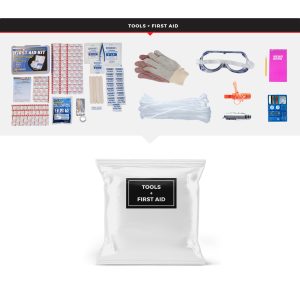
A comprehensive first-aid kit is one of the most important tools any family can own. The kit should include bandages, antiseptics, gauze, medical tape, gloves, basic medications, and supplies for treating common injuries. Family members should also learn basic first-aid skills so they can use the equipment effectively when professional medical assistance may be delayed.
Communication and navigation tools help families stay informed and connected during emergencies. A battery-powered or hand-crank emergency radio can provide weather alerts and emergency broadcasts when internet and cellular services are unavailable. Paper maps, compasses, and written emergency contact information can serve as valuable backups if electronic devices fail.
Food preparation and cooking tools can make emergency food supplies much more useful. A compact camp stove, fuel source, metal cooking pot, and durable utensils allow families to prepare meals, boil water, and safely heat food. Even when relying on stored foods, the ability to cook can improve nutrition, comfort, and morale during extended emergencies.
The most effective survival tool, however, is knowledge. Training, practice, and preparation often matter more than expensive gear. Families who understand how to use their equipment, maintain it properly, and develop emergency plans are generally better prepared than those who simply own a collection of tools. By combining practical skills with reliable equipment, families can significantly improve their ability to handle unexpected situations safely and confidently.

Misc. Products
First Aid Kits & Cabinets (OEM)
