
shelter warmth
Creating shelter is one of the highest priorities
Jun
Creating shelter is one of the highest priorities in any outdoor survival situation because exposure to the elements can become life-threatening much faster than lack of food. Rain, wind, snow, and cold temperatures can rapidly lower body temperature and lead to hypothermia. A well-built shelter helps conserve body heat, protects you from precipitation, and provides a safer place to rest and recover energy.
The first step is choosing a good shelter location. Look for high, dry ground that is protected from strong winds. Avoid low spots where cold air settles or where rainwater may collect. Stay away from dead trees, loose rocks, or areas prone to flooding. A good location can significantly reduce the amount of work required to stay warm and dry.
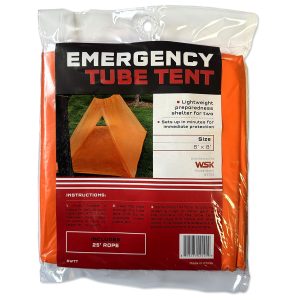
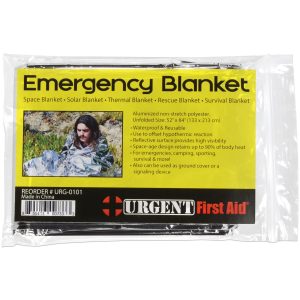
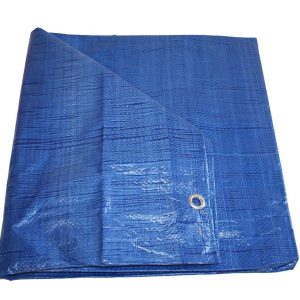
If you have a tarp, emergency blanket, or tent, use it to create a quick shelter. Stretch a tarp between trees or lean it against a fallen log to create a windbreak. Emergency blankets can reflect body heat back toward you and help reduce heat loss. These lightweight items are among the most valuable pieces of survival equipment because they allow you to establish shelter quickly.
One of the simplest natural shelters is the lean-to. To build one, place a sturdy ridgepole between two trees or support it on a stump. Lean branches against one side of the ridgepole at an angle and cover them with smaller branches, leaves, grass, or pine boughs. The lean-to blocks wind and can be improved with additional insulation materials gathered from the surrounding area.
A debris hut is one of the warmest emergency shelters that can be built using natural materials. Start with a ridgepole supported at one end, then create a framework of sticks along both sides. Cover the structure with thick layers of leaves, grass, pine needles, and other forest debris. The goal is to create enough insulation that very little wind penetrates the shelter. A properly constructed debris hut can be surprisingly warm.
Ground insulation is often overlooked but extremely important. The ground can draw heat from your body even when the air temperature is relatively mild. Create a thick mattress of leaves, pine needles, grass, or evergreen boughs beneath you. Even several inches of natural insulation can dramatically reduce heat loss and improve comfort throughout the night.
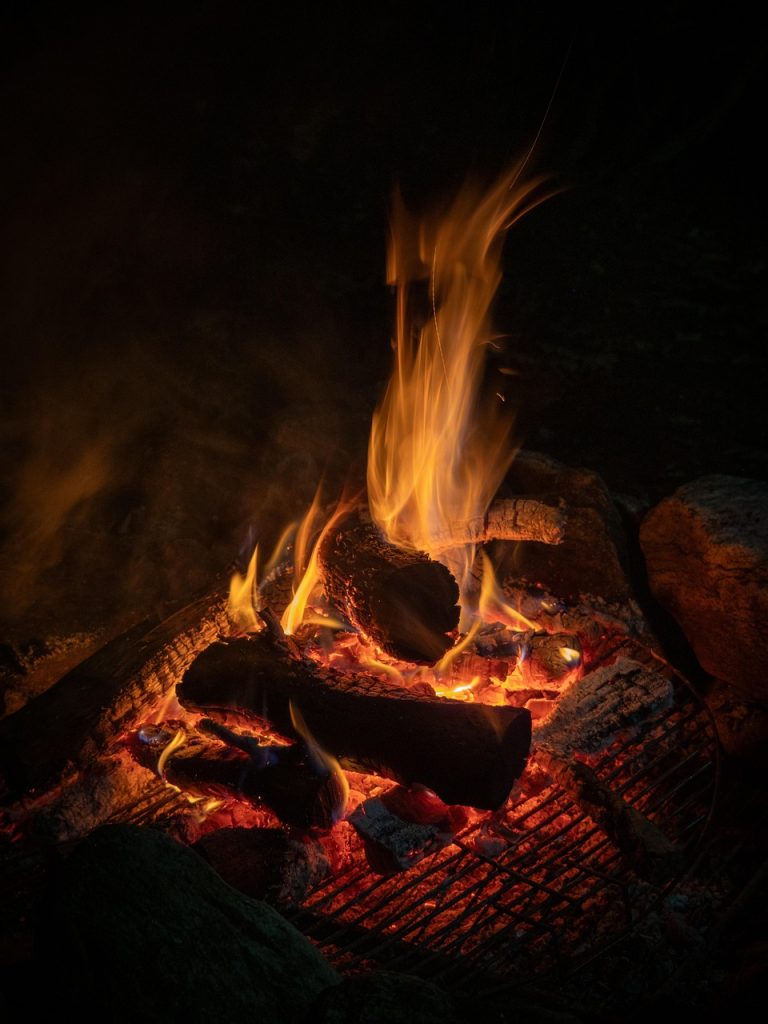
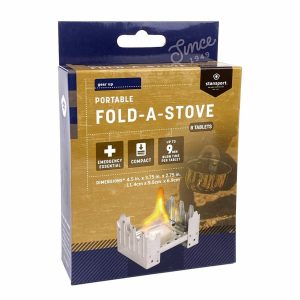
Building a fire near your shelter can provide both warmth and psychological comfort. If conditions allow and local regulations permit, construct a fire safely away from flammable shelter materials. A fire can help dry clothing, purify water, cook food, and raise morale. Positioning a reflective wall of logs, rocks, or other materials behind the fire can help direct heat toward your shelter.
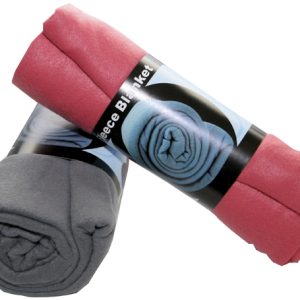
Keeping clothing dry is just as important as building shelter. Wet clothing loses much of its insulating value and can accelerate heat loss. If possible, remove wet garments and replace them with dry layers. Focus on protecting your head, neck, hands, and feet, as these areas can lose significant amounts of heat. Layering clothing traps warm air and allows you to adjust insulation as conditions change.
In cold environments, conserving energy is essential. Avoid unnecessary sweating during shelter construction because moisture trapped in clothing can cool you rapidly once you stop moving. Work steadily rather than rushing. A well-planned shelter built efficiently often provides more benefit than an elaborate structure that exhausts valuable energy reserves.
The overall goal of outdoor shelter building is to create a protected microclimate where your body can retain heat and stay dry. Whether using modern equipment such as tents and tarps or natural materials gathered from the landscape, shelter and warmth are fundamental survival priorities. A solid shelter improves comfort, protects against weather, conserves calories, and greatly increases the chances of safely enduring an unexpected night outdoors.

Misc. Products

Misc. Products
Misc. Products
Misc. Products

First Aid Tools
Misc. Products

Misc. Products
Misc. Products
