
MRE's
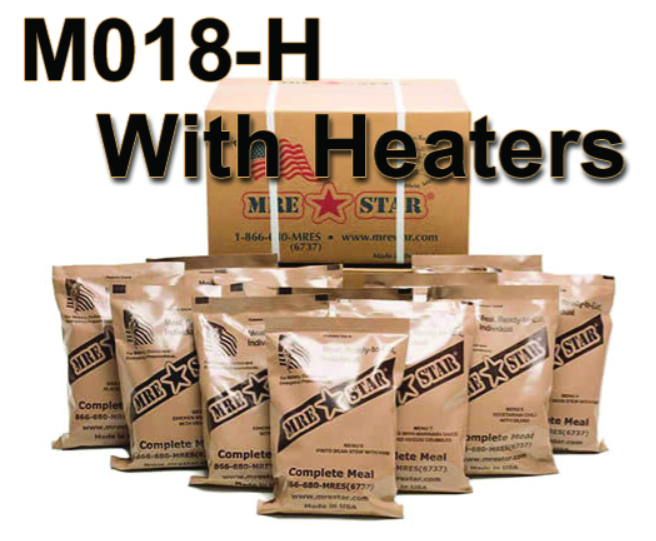
Meals Ready-to-Eat (MREs) are self-contained food
Jun
Meals Ready-to-Eat (MREs) are self-contained food packages originally developed for military use, but they have become increasingly popular among civilians, outdoor enthusiasts, emergency preparedness advocates, and businesses. Each MRE typically contains a complete meal, including an entrée, side dishes, snacks, dessert, beverage mix, utensils, condiments, and a flameless ration heater. Because they require little or no preparation, MREs offer a convenient way to maintain a food supply when traditional cooking methods are unavailable.
One of the most common questions about MREs concerns their shelf life. Unlike canned goods that often display a “best by” date, MRE longevity depends heavily on storage temperature. When stored at approximately 60°F (16°C), many MREs can remain safe and maintain acceptable quality for five years or more. Higher temperatures shorten shelf life considerably, while cooler storage conditions can extend it. Proper storage in a dry, temperature-controlled environment is one of the most important factors in preserving MRE quality.
Military-grade MREs are often inspected rather than assigned a strict expiration date. Manufacturers typically include production codes that help determine the age of the meal. Civilian MRE suppliers frequently provide estimated shelf-life charts based on storage conditions. While an MRE may remain safe to consume beyond its recommended shelf life, flavor, texture, and nutritional value can gradually decline over time.
Today’s MRE market offers a surprisingly wide variety of meal choices. Traditional military-style entrees include beef stew, chicken with noodles, chili with beans, spaghetti with meat sauce, beef taco filling, and cheese tortellini. Civilian versions often expand the menu with breakfast options, vegetarian selections, and specialty dietary choices. Many suppliers rotate menu offerings to provide greater variety for long-term storage and emergency preparedness.
Vegetarian and plant-based MREs have become increasingly available in recent years. These meals may include pasta dishes, rice and bean combinations, vegetable curries, lentil entrees, and other meat-free options. This expanded selection allows households with varying dietary preferences to build emergency food supplies that meet everyone’s needs rather than relying solely on traditional military menus.
One major benefit of keeping MREs at home is emergency preparedness. Natural disasters, severe storms, power outages, earthquakes, wildfires, and other unexpected events can disrupt food supplies or make cooking difficult. Having a stock of ready-to-eat meals helps ensure that family members have access to calories, protein, and nutrients when grocery stores are closed or utility services are interrupted.
MREs can also be valuable in office settings. Businesses that maintain emergency preparedness plans often keep food, water, and first-aid supplies on hand. If employees are temporarily unable to leave the workplace due to severe weather, transportation disruptions, or local emergencies, MREs provide a practical food solution that requires no kitchen equipment or refrigeration.
Outdoor enthusiasts appreciate MREs because they are portable and self-contained. Campers, hunters, anglers, overland travelers, and survivalists often carry MREs as backup food supplies. The flameless ration heater allows users to enjoy a warm meal without building a fire or carrying cooking equipment. This convenience can be especially valuable in adverse weather conditions or remote locations.
Another advantage of MREs is their durability. The packaging is designed to withstand rough handling, making them suitable for storage in emergency kits, vehicles, boats, and recreational equipment. Their compact design allows a significant amount of food to be stored in relatively little space compared to many traditional pantry items. This makes them attractive for individuals who want to maintain an emergency food reserve without dedicating an entire room to storage.
While MREs should not necessarily replace fresh foods as part of a regular diet, they can serve as an important component of a comprehensive emergency preparedness strategy. Their long shelf life, convenience, portability, and wide variety of meal options make them useful for homes, offices, outdoor adventures, and disaster readiness plans. By maintaining a properly stored supply and periodically rotating older stock with newer purchases, individuals can ensure they have reliable meals available whenever unexpected situations arise.
1 Person 6 Days
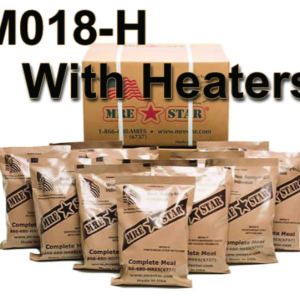
1 Case of 12 Single Complete MRE Meals–1 Person-6-Days-Standard Variety with Heaters
2 Person 6 Days
2 Cases of 12 Single Complete MRE Meals –2 Person-6-Days-Standard Variety With Heaters
4 Person 6 Days
4 Cases of 12 Single Complete MRE Meals – 4 Person-6-Days-Standard Variety With Heaters
8 Person 6 Days
8 Cases of 12 Single Complete MRE Meals – 8 Person-6-Days-Standard Variety With Heaters
